Maya S, Student Writer
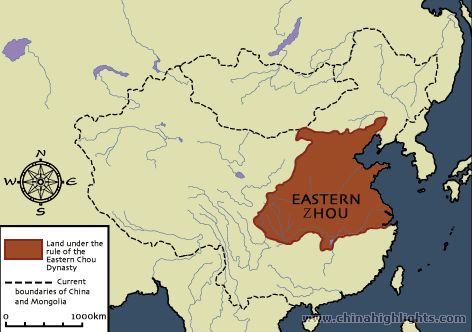
The Spring and Autumns were a time of weakness in the Zhou dynasty lasting from 771 to 481 BCE.The Spring and Autumns period started when the capital was moved to Luoyi in 770 BCE. Because of the moment, changes took place in culture, economy, politics and military(www.travelchinaguide.com). The Spring and autumns caused weakness in the Zhou dynasty because it caused a change in politics so the government became unstable. Changing culture affected people because they had to change their daily life and what they believed in. Changes in economy caused confusion during trade, leading to fighting. The change in military caused other armies to be able to attack China. The Spring and Autumns lead china to a period of weakness in government, culture and military.
The Spring and Autumns caused battles withing the Zhou dynasty over land. There was over 140 states which all had different leaders. Afew states gained power and overthrew smaller ones and force the people of the smaller states to acknowledge their leaders(www.travelchinaguide.com). During the Spring and Autumns there was not single ruler who held the most power. Having 140 states with different rulers caused battles between the states and tension between people. When one state overthrew another, the respect of subject and ruler was broken. Breaking respect was going against confucious religion and government causeing a weaker government. Because there were 140 different states and rulers, tension in governments made the Zhou dynasty weaker.
The Spring and Autumns were a time of weakness in the Zhou dynasty lasting from 771 to 481 BCE.The Spring and Autumns period started when the capital was moved to Luoyi in 770 BCE. Because of the moment, changes took place in culture, economy, politics and military(www.travelchinaguide.com). The Spring and autumns caused weakness in the Zhou dynasty because it caused a change in politics so the government became unstable. Changing culture affected people because they had to change their daily life and what they believed in. Changes in economy caused confusion during trade, leading to fighting. The change in military caused other armies to be able to attack China. The Spring and Autumns lead china to a period of weakness in government, culture and military.
The Spring and Autumns caused battles withing the Zhou dynasty over land. There was over 140 states which all had different leaders. Afew states gained power and overthrew smaller ones and force the people of the smaller states to acknowledge their leaders(www.travelchinaguide.com). During the Spring and Autumns there was not single ruler who held the most power. Having 140 states with different rulers caused battles between the states and tension between people. When one state overthrew another, the respect of subject and ruler was broken. Breaking respect was going against confucious religion and government causeing a weaker government. Because there were 140 different states and rulers, tension in governments made the Zhou dynasty weaker.